
“Non-Being” in Daoism
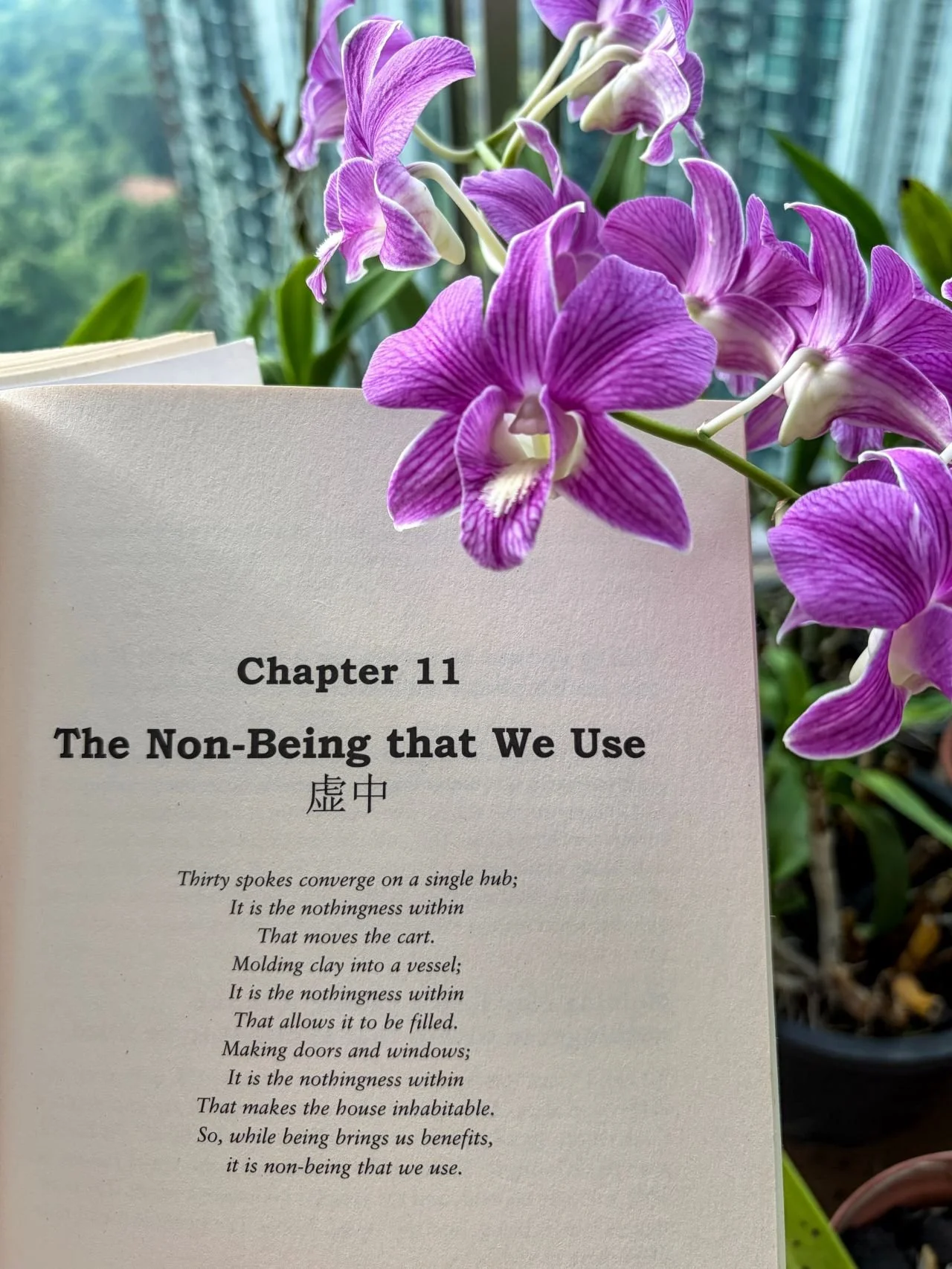
Daoism speaks about the usefulness of “non-being”, how a cup is useful because of its emptiness. In schools, coaching works in much the same way. Our value is not always in what we say, but in the space we hold for others to think, reflect, and grow.
🧐 Think about a conversation with a student who is overwhelmed. It’s easy to jump in with advice or reassurance. But when we resist that urge and instead ask, “What feels most important to you right now?”, something shifts. The student slows down, reflects, and begins to hear themselves more clearly.
The same applies when working with parents or colleagues. When a parent raises concerns, or a peer is navigating change, our instinct may be to explain or fix. Yet powerful coaching happens when we listen without an agenda and ask without leading. We don’t fill every silence, we allow silence to do its work.
Over time, this approach builds something deeper than solutions: it builds ownership. And perhaps that is the real role of a coach in education, not to be the answer, but to make space for others to find their own.
🌱 How can you create more space in your next conversation?

Photo credit SJII