
How Comfortable are You (and Your Culture) with Silence in Conversations?
🙊 Sometimes silence is awkward; sometimes a “pregnant pause” communicates more than words would. In different cultures, silence is viewed differently, and in addition, each of us has our own comfort level with silence in communication. What might silence mean in a conversation?
🔸 I’m taking time to think about what I want to say next.
🔸 I am indicating it’s time for you to talk.
🔸 I’m creating a dramatic pause to add tension to the conversation.
🔸 I’m speechless due to confusion, being stunned, or feeling emotional.
🔸 I’m agreeing with you, or at least refraining from disagreeing, perhaps to avoid a conflict.
🔸 I’m thinking about what you said to understand it.
🔸 I’m leaving space for you to keep talking if you want to.
Sample cultures most comfortable with silence: Japanese, Korean, Thai, Indonesian, Finnish
Sample cultures most uncomfortable with silence: American, Australian, Greek, Hungarian
In many Asian cultures, silences are active communication and seen as beneficial. Silence can feel polite and respectful and signal a measured conversation. Being a great listener includes listening to what isn’t being said.
In many Western cultures, silences are passive communication and seen as detrimental. Silence can feel uncomfortable and signal uncertainty or lack of confidence in communication. Being a great listener involves listening to what is being said.
Being aware of these differences can help us listen better to those from different cultures to our own. 🙊
Think back to your last meeting or conversation. Where were you on this scale, from 0 to 10?
I spoke much less than others (0) - - - - - - - - - (10) I spoke much more than others
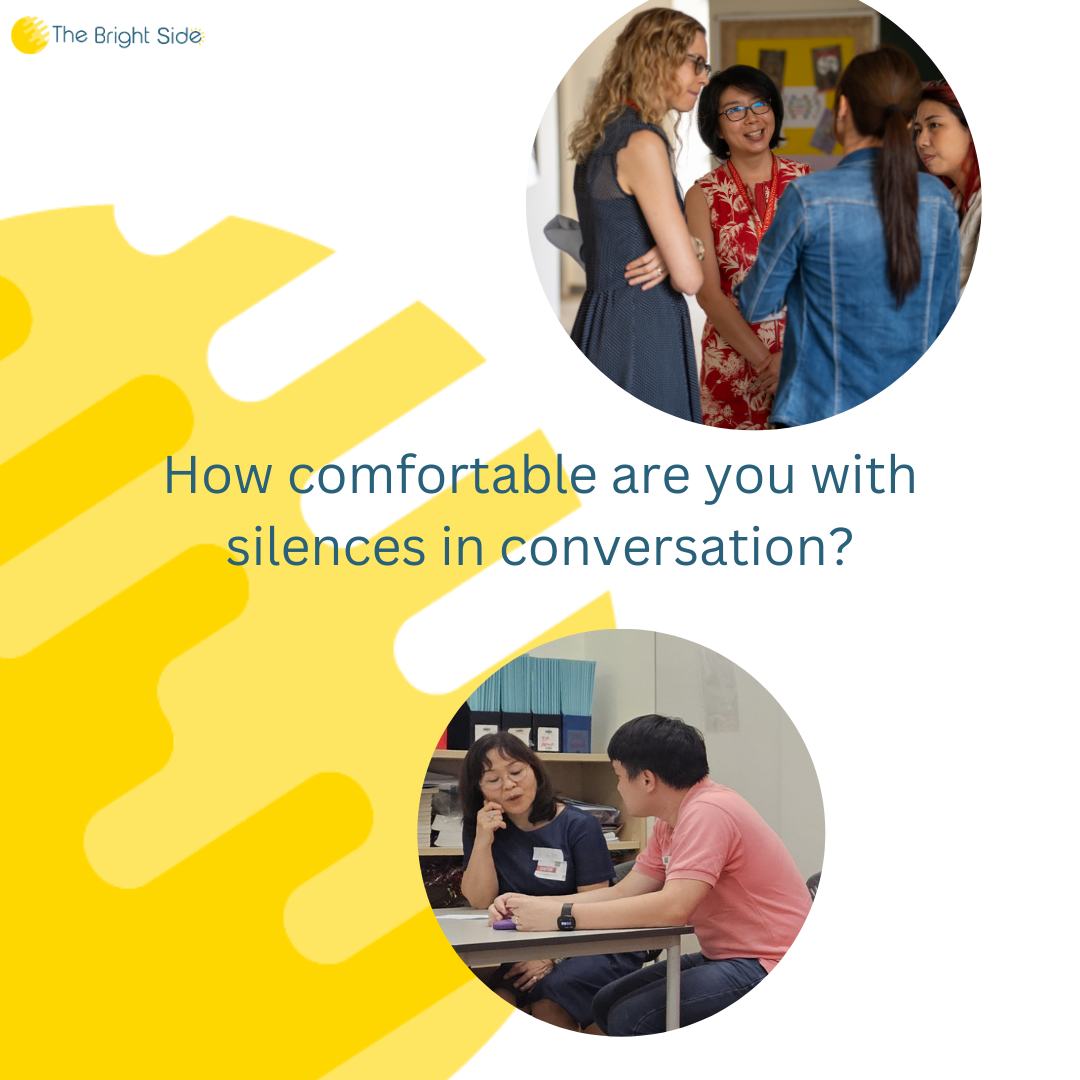
🙊 How comfortable are you with silences in conversation? Leave your thoughts on Linkedin.
Read more about silence in conversations:
🔸 Radical Listening, a book by Christian van Nieuwerburgh and Robert Biswas-Diener
🔸 The Culture Key Between Asia and the West, a book by Zsuzsanna Tungli
🔸 Bridge the Culture Gaps, a book by Robert Gibson
🔸 What is the Purpose of Listening?, an article by The Bright Side
🔸 The Power of Silence in Coaching Conversations, an article by The Bright Side