
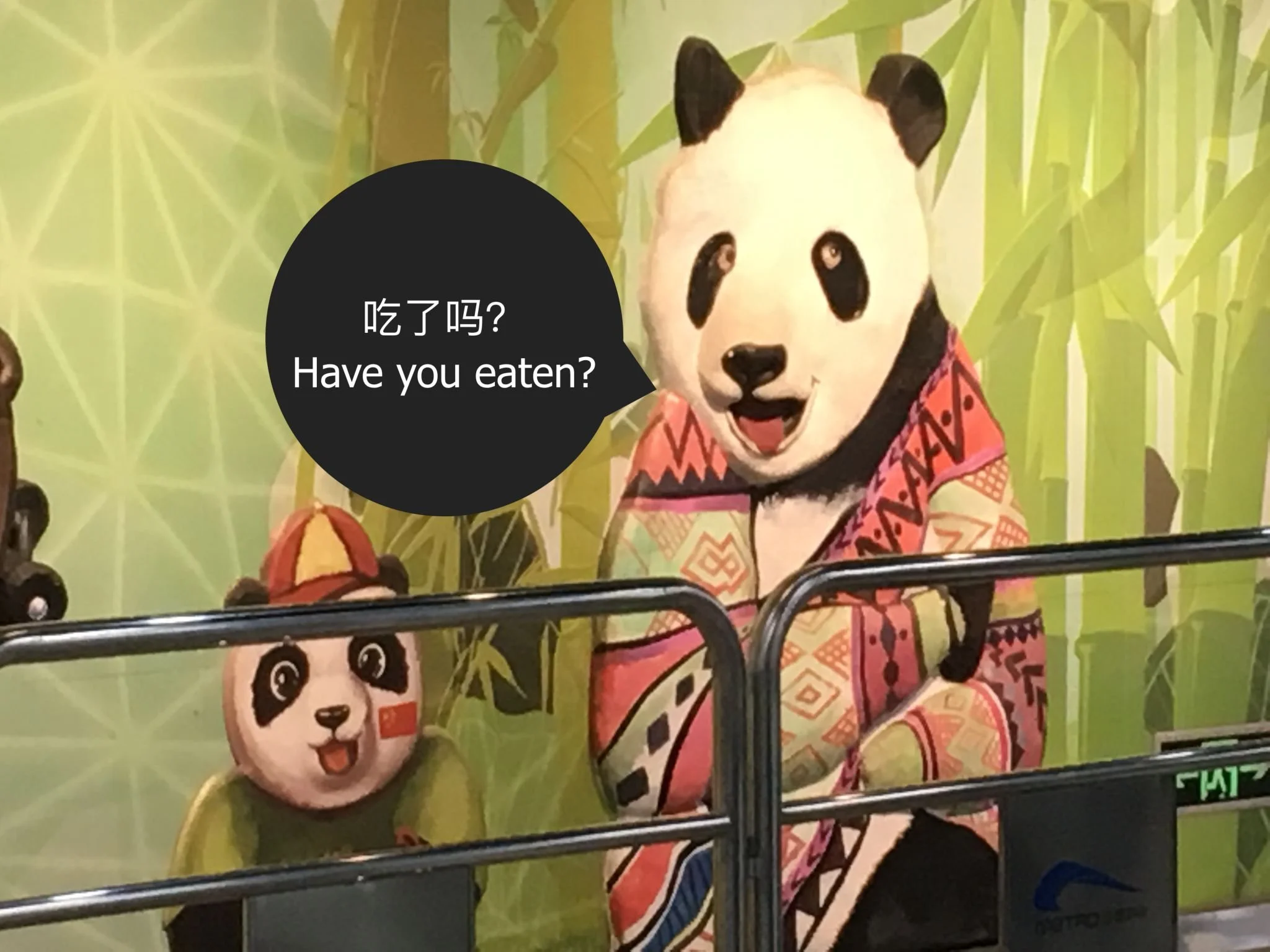
When I (Flora) first introduced Sarah, my business partner and dear friend, to my parents, the greeting was simple and familiar. My parents smiled and asked, “Have you eaten?” 😅 I laughed and knew instantly that the words themselves wouldn’t land as intended. So instead of repeating the sentence, I shared the meaning behind it: “They’re asking how you are and wishing you well.” What could have sounded like random food talk was, in fact, an expression of care.
🥢 In Chinese culture, “Have you eaten?” is a traditional greeting, especially among older generations. It reflects a time in history when food was not always guaranteed, and having enough to eat meant safety and survival. Over generations, asking about food became a natural way to ask about wellbeing. While younger generations may use it less today, the intention remains deeply rooted, care before conversation.
This small moment highlights why cross-cultural understanding matters. The same words can carry very different meanings depending on where we come from. In some Asian cultures, “You’ve lost weight?”, “You look tired today,” commenting on weight or noticing a change in appearance is a way of showing concern or closeness. In more Western contexts, those same comments can easily feel like judgement or even body shaming. Cross-cultural awareness helps us pause before reacting, replacing assumption with curiosity. When we learn to look beyond the words and listen for intention, we create space for genuine understanding, and that’s where real connection begins.
“Have you eaten?”

Previous
Previous
Encouraging Initiative in Asian Team Members
Next
Next